The Layer Beneath
The deterministic authority gate beneath the AI economy. Eight layers, six sovereign laws, one constitutional anchor.
Executive View
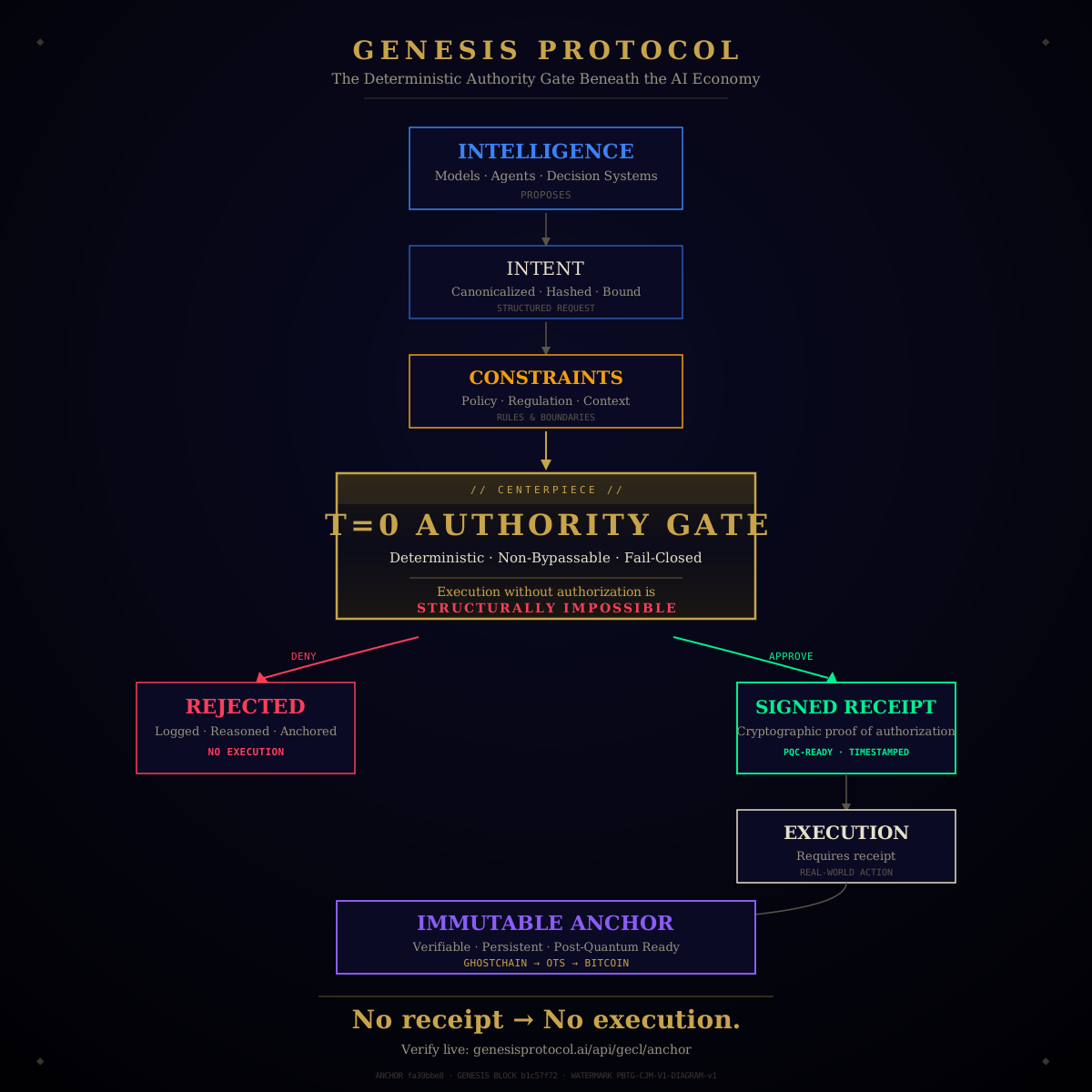
Most AI governance frameworks evaluate actions probabilistically and reduce the probability of bad outcomes through configurable rules. Genesis Protocol takes a different architectural commitment: execution without authorization is structurally impossible, not operationally inconvenient.
Technical View
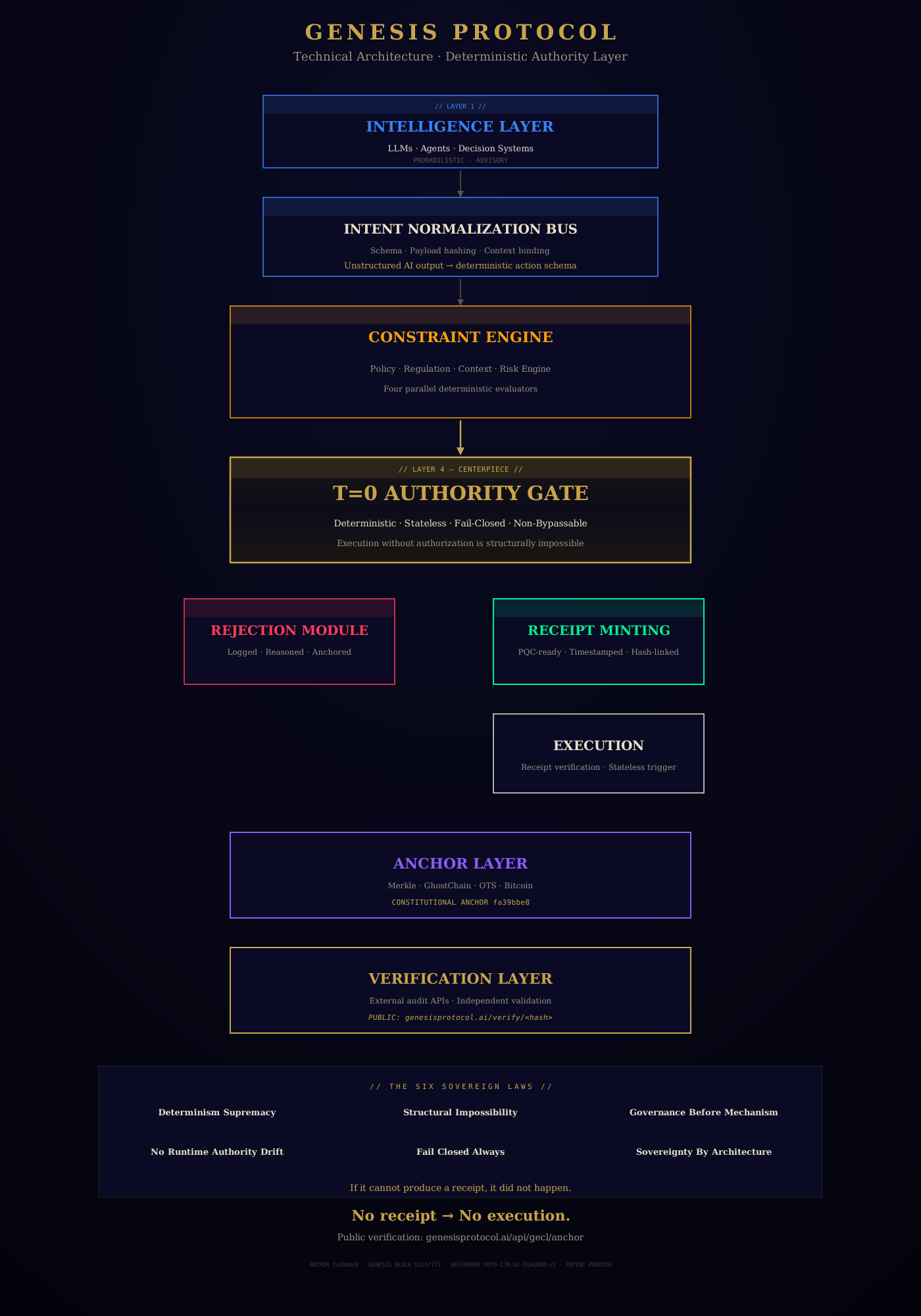
The full eight-layer decomposition: Intelligence proposes through the Intent Normalization Bus into the Constraint Engine; the T=0 Authority Gate decides deterministically; receipts mint or rejections log; execution accepts only receipt-bearing actions; the Anchor Layer batches to Bitcoin via OpenTimestamps; the Verification Layer publishes APIs for third-party audit.
The Six Sovereign Laws
Every architectural decision in Genesis Protocol is governed by these six laws:
- LAW 01Determinism SupremacyProbabilistic reasoning may inform analysis. It must never govern outcomes.
- LAW 02Structural ImpossibilityDo not mitigate failure. Design systems where dangerous actions are impossible.
- LAW 03Governance Before MechanismDefine constraints first. Implementation follows.
- LAW 04No Runtime Authority DriftAgents propose. Deterministic governors decide.
- LAW 05Fail Closed AlwaysWhen uncertainty exists, default to restriction.
- LAW 06Sovereignty By ArchitectureNo unnecessary dependencies. No opaque third-party control planes.
The Verification Tax Doctrine
"If it cannot produce a receipt, it did not happen."
Every action approved at T=0 produces a cryptographic receipt — PQC-ready signature, RFC 3161 timestamp, hash linkage to the original intent and constraint verdicts. Receipts are batched into Merkle trees, committed to GhostChain, and sealed via OpenTimestamps to Bitcoin.
The verification surface is public. Any third-party auditor can validate any receipt without trusting Genesis Protocol's infrastructure. Constitutional anchor fa39bbe8 is live today.
For Institutional Dialogue
If you're building infrastructure where AI is making decisions that have real consequences — financial, regulatory, physical, reputational — and you want to talk through where Genesis Protocol fits, contact: pointbreaktradingedu@gmail.com.
Patent pending. Available for serious technical conversations with enterprise CTOs, compliance leadership, sovereign fund architects, and EU AI Act compliance officers.